Yes. US private, commercial and airline pilots can wear glasses. For an FAA first- or second-class medical certificate, each eye must reach 20/20 or better at distance, with glasses or acceptable contacts if needed. For a third-class certificate, the distance standard is 20/40 or better in each eye. If you wear glasses to … Read “Can Pilots Wear Glasses? FAA Vision Standards Explained”
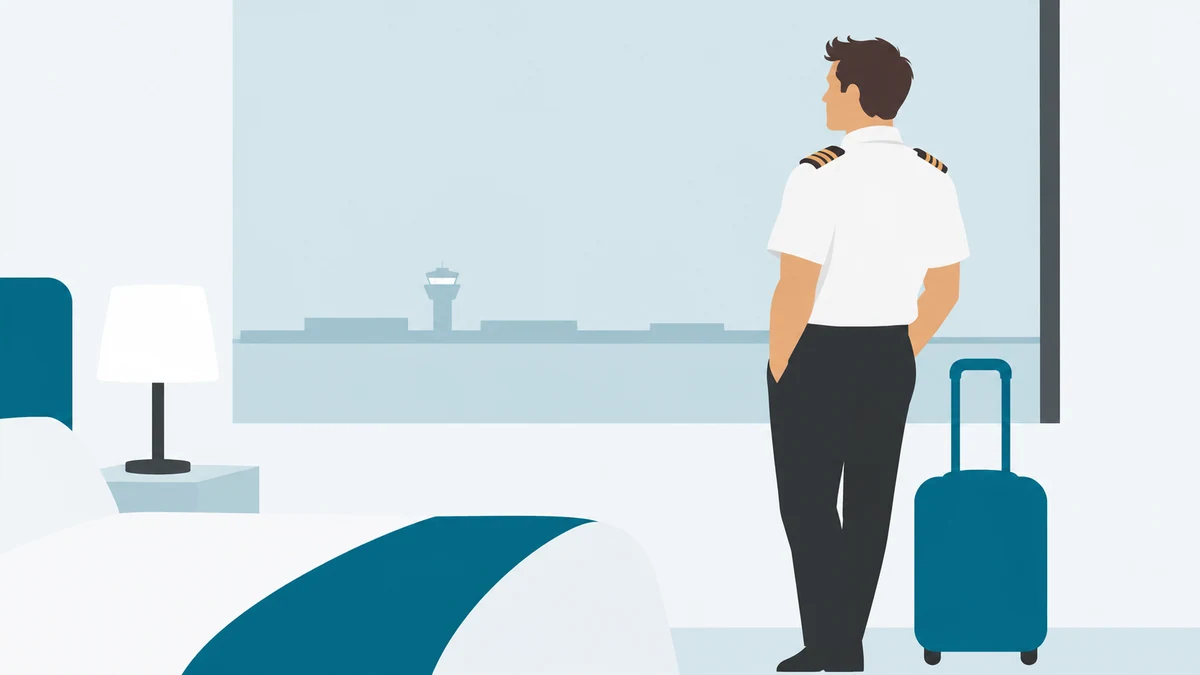
US airline pilots fly an average of 75 hours a month and spend another 150 hours on other duties, according to the Bureau of Labor Statistics. To see what that can mean for a weekend at home, take one four-day passenger trip. In the example below the pilot flies 20 hours, works 33 hours from report to release, and spends three … Read “How Many Hours Do Airline Pilots Work?”
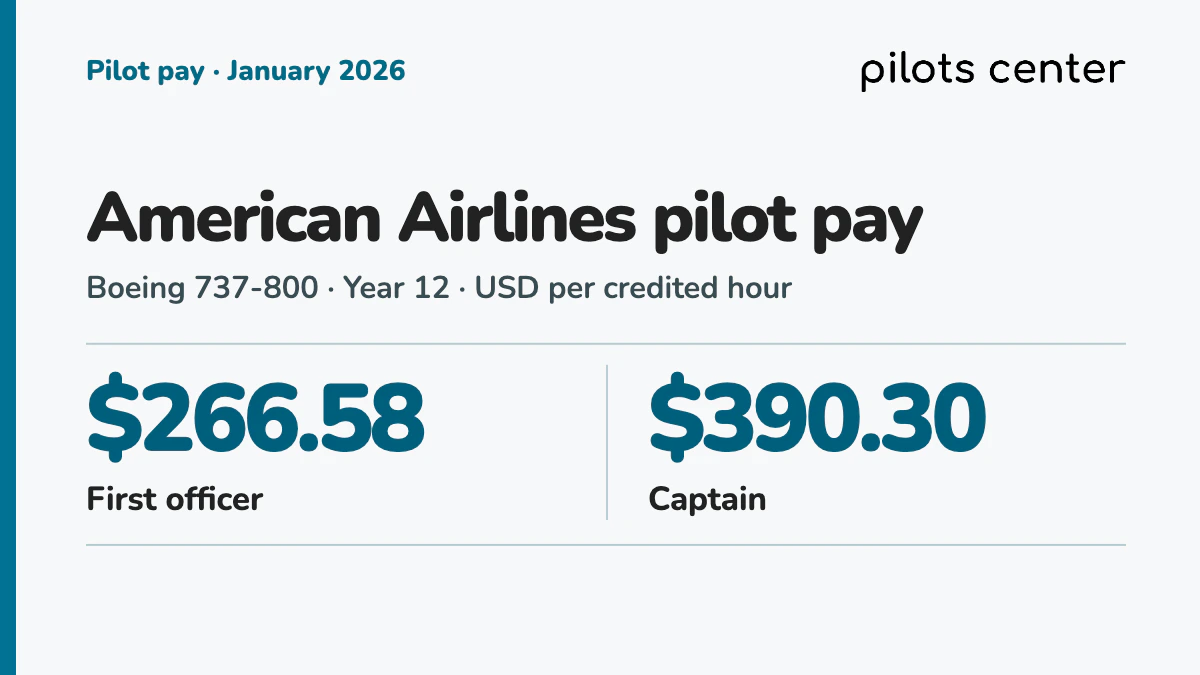
An American Airlines mainline first officer starts at $125.52 per credited hour on the 2026 scale. For a full month on long-call reserve at the 73-hour guarantee, that works out to $9,162.96 in gross base pay. A captain at year 12 earns $390.30 an hour on the Boeing 737-800 or $483.74 on the 777 or 787. The seat, aircraft, pay … Read “American Airlines Pilot Salary by Seat, Fleet and Seniority”
At 2½ flight hours each weekend, it takes 30 flying weeks to log 75 hours toward a US private pilot certificate. At 7½ hours a week on a full-time course, the same flying takes 10 weeks. The FAA says most students need 60 to 75 hours. If you want to fly for a living, there are two later milestones to put on your calendar. A … Read “How Long Does It Take to Become a Pilot in the US?”
No. You can become a US airline pilot without a college degree. The standard FAA airline transport pilot (ATP) route has age, experience, training and testing requirements. A college degree is optional. Delta and United both accept a high school diploma or GED as the education minimum for first officer applicants, and both give … Read “Do You Need a Degree to Be an Airline Pilot in the US?”