Pilots Center
Under EASA and UK Part-FCL, the pilot in command logs PIC time when two private pilots share the controls on an ordinary flight in a single-pilot aeroplane. Under FAA rules, both pilots can sometimes log PIC for the same minutes. One example is simulated instrument flight when one pilot flies the aeroplane and the other acts as … Read “Can Two Pilots Log PIC Time on the Same Flight?”
A helicopter can leave turbulence strong enough to overturn a light aeroplane, including after it has moved clear of the runway. A hovering helicopter sends downwash out across the ground; in forward flight it leaves trailing vortices. Before taking off or landing, consider where the helicopter has been and where the wind can … Read “Helicopter Wake Turbulence: What Light-Aircraft Pilots Need to Know”
Under FAA rules, the 30-day VOR operational check applies when you use the VOR system for navigation under IFR. It is not required merely because a VOR receiver is installed. A suitably approved GPS/WAAS installation can support an IFR flight without using VOR navigation, provided the equipment, route and procedures permit it. … Read “Do You Need a VOR Check for a GPS-Only IFR Flight?”
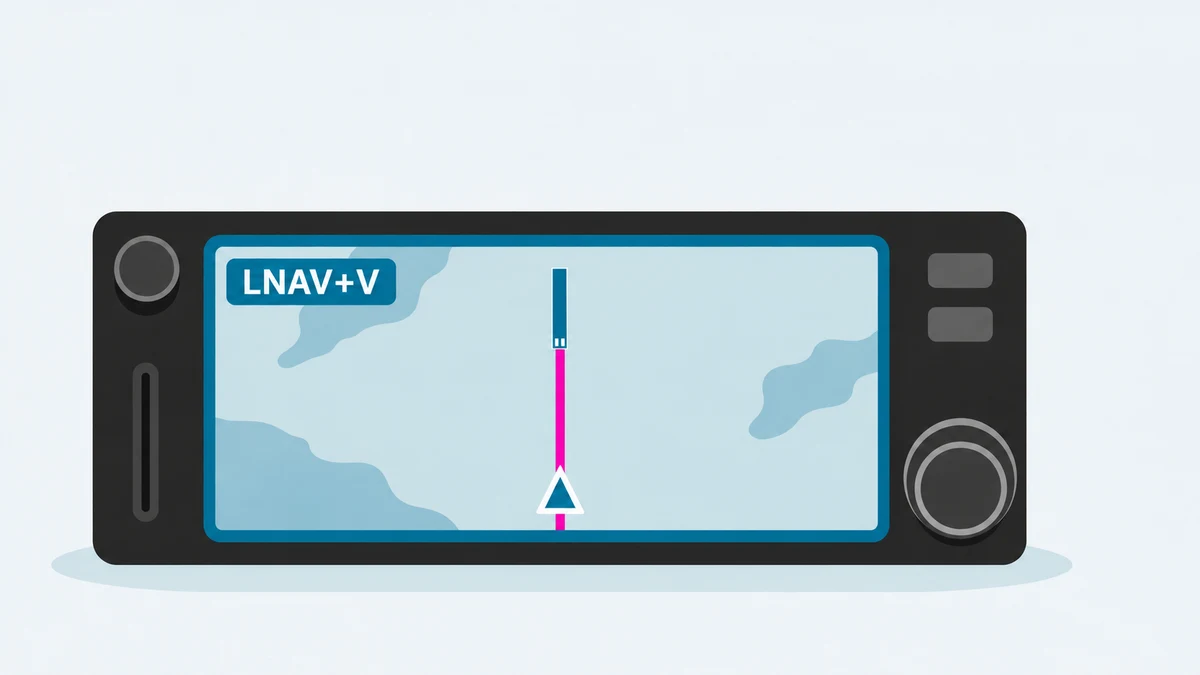
If your Garmin annunciates LNAV+V, use the LNAV line when establishing your approach minima. The +V supplies advisory vertical guidance; it does not authorise LPV or LNAV/VNAV minima. Garmin restated the advisory nature of that guidance in Service Alert 26027, dated 12 March 2026. Read “LNAV+V vs LPV: Which Minima Can You Fly?”
EASA's general cross-country definition has no minimum distance. FAA rules use several definitions, depending on what the time will count towards. For an FAA private or commercial aeroplane certificate, or an instrument rating in an aeroplane, the relevant definition requires a landing more than 50 NM in a straight line from … Read “What Counts as Cross-Country Flight Time? EASA and FAA Rules”
To read a carb icing chart, identify its two axes, plot the outside-air temperature against either dew point or dew point depression, and read the risk band for the power setting you will use. Those two vertical-axis formats are different. On the UK CAA chart, 20°C air temperature and 15°C dew point falls in the band for … Read “How to Read a Carb Icing Chart on a Warm Day”
Required climb rate in feet per minute = climb gradient in feet per nautical mile × groundspeed in knots ÷ 60. For a gradient of 300 ft/NM at 90 knots groundspeed, the result is 450 ft/min. Read “Climb Gradient to Feet per Minute: Formula and Worked Examples”
Under FAA rules, you normally log night flight time from the end of evening civil twilight until the beginning of morning civil twilight. Sunset is an earlier event. The one-hour-after-sunset threshold belongs to the separate rule for night takeoff and landing experience when carrying people. FAA § 1.1, definition of night · … Read “When Can You Log Night Flight Time Under FAA Rules?”
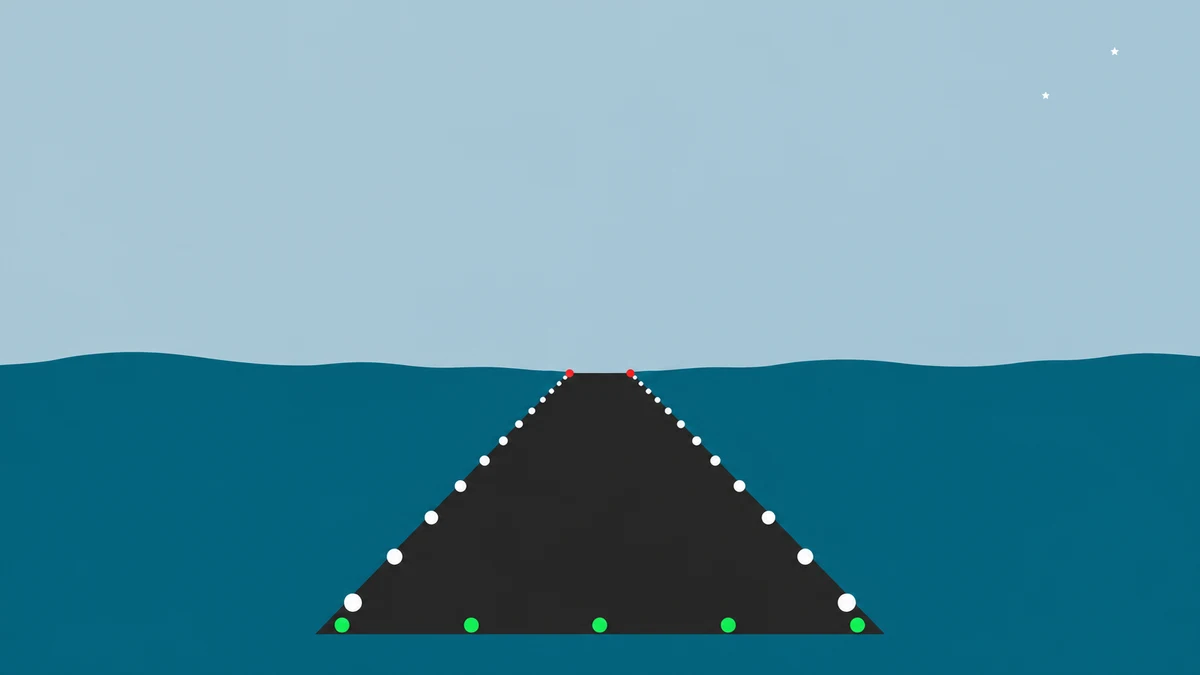
For a standard FAA pilot-controlled lighting system, tune the published lighting frequency and press and release the microphone switch seven times within five seconds. This selects the highest available intensity. Five or three clicks can then select a lower setting where the installation supports it. The usual lighting period … Read “Pilot-Controlled Lighting: How to Turn On Runway Lights”
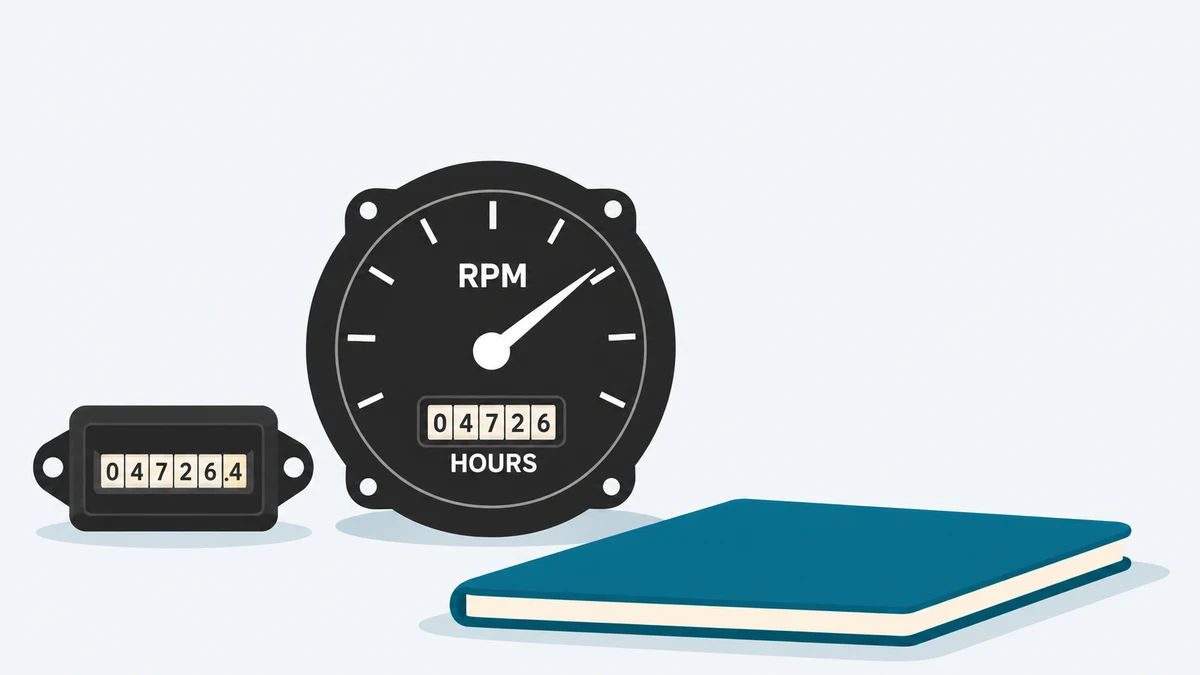
For your pilot logbook, use the flight time defined by the rules that apply to you. A Hobbs or tach reading is useful evidence, but the meter's name does not decide what you may log. In a normal light-aeroplane flight, EASA and FAA flight time both include the relevant taxi periods. Neither definition simply says to copy the … Read “Hobbs vs Tach Time: What Goes in Your Pilot Logbook?”